
What Is a Cup Making Machine 2026 Complete Guide and Expert Insights
This professional guide is compiled by the R&D team of Haofeng (Tianjin) Intelligent Manufacturing Co., Ltd. (brand: AIHOFEN), a leading provider of thermoplastic forming equipment with over 30 years of industry experience since 1995. A cup making machine is a core automatic thermoforming device widely used in the disposable packaging industry, designed to resolve pain points of low efficiency, high labor cost and unstable product quality in traditional manual production. However, many procurement specialists, engineers and industry practitioners still have cognitive misunderstandings about its working principles, classification, application scenarios and selection criteria. This guide draws on practical experience from over 100 global client projects to explain the core definition, working mechanism, main types, industry applications and compliance requirements of cup making machines, helping you build a systematic and professional understanding of this equipment.
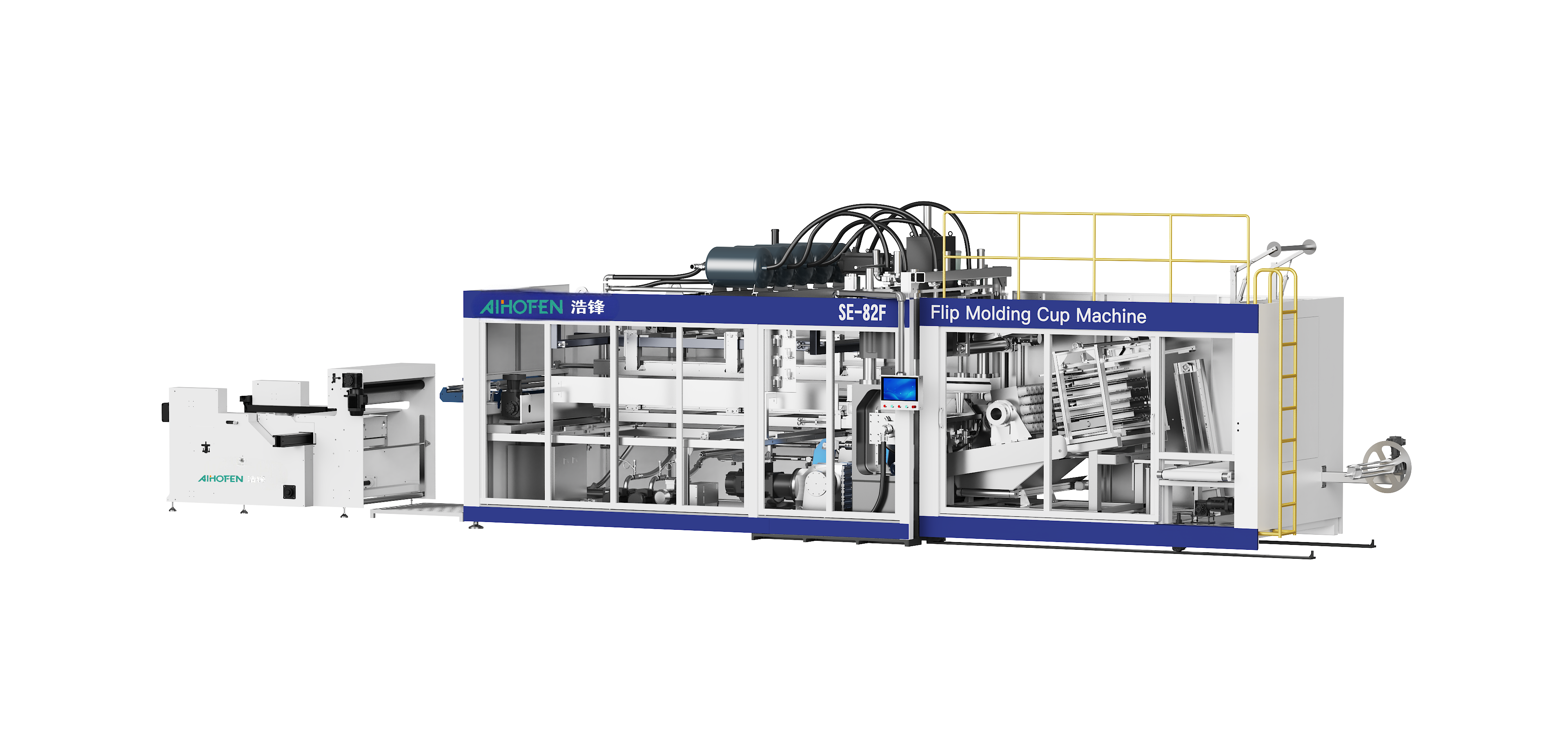
Core Definition and Industry Positioning of Cup Making Machines
Per global thermoplastic equipment industry standards, a cup making machine is a fully automatic thermoforming device that heats thermoplastic sheets to a plasticized state, then completes forming, punching and stacking processes to produce disposable plastic cups, bowls, boxes and other packaging containers. It serves as an irreplaceable core production equipment for the disposable packaging industry, with three key advantages: first, full automation reduces reliance on manual labor and cuts overall production costs; second, high-precision forming ensures uniform wall thickness and consistent product quality; third, it supports multiple thermoplastic materials including PP, PET, PS and PLA, meeting the growing demand for degradable packaging solutions.
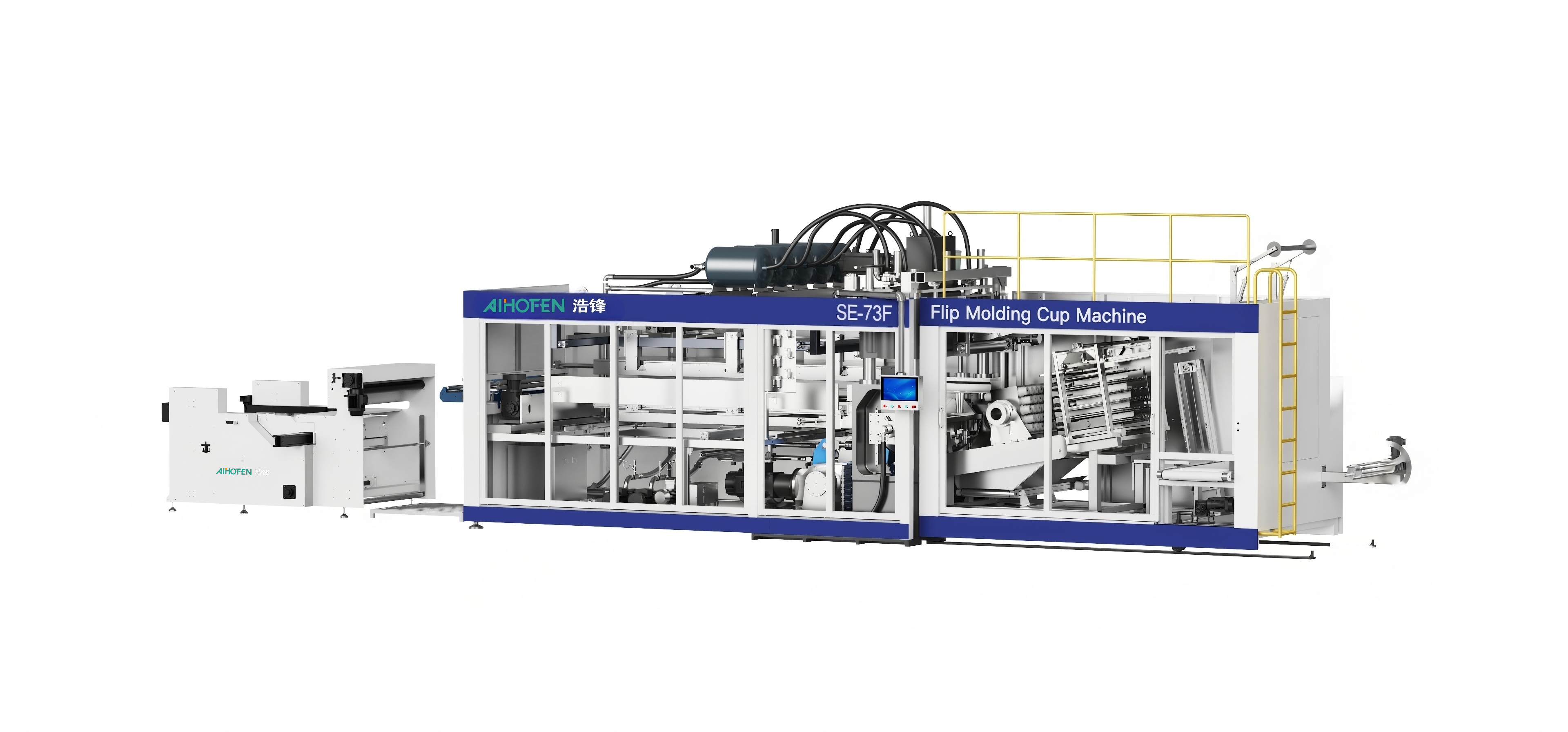
Technical Indicator | Fixed Mold Cup Making Machine | Flip Mold Cup Making Machine | Semi-Automatic Cup Making Machine |
|---|---|---|---|
Production Speed | 15-20 cycles per minute | Up to 30 cycles per minute | 5-10 cycles per minute |
Wall Thickness Uniformity | Moderate, slight cup bottom thickening | High, even wall thickness across entire product | Low, inconsistent product quality |
Applicable Product Types | Regular cups, bowls, shallow boxes | High-precision cups, deep bowls, complex packaging containers | Simple, low-precision cups only |
Equipment Cost | Low | Medium to High | Very Low |
Working Mechanism and Main Types
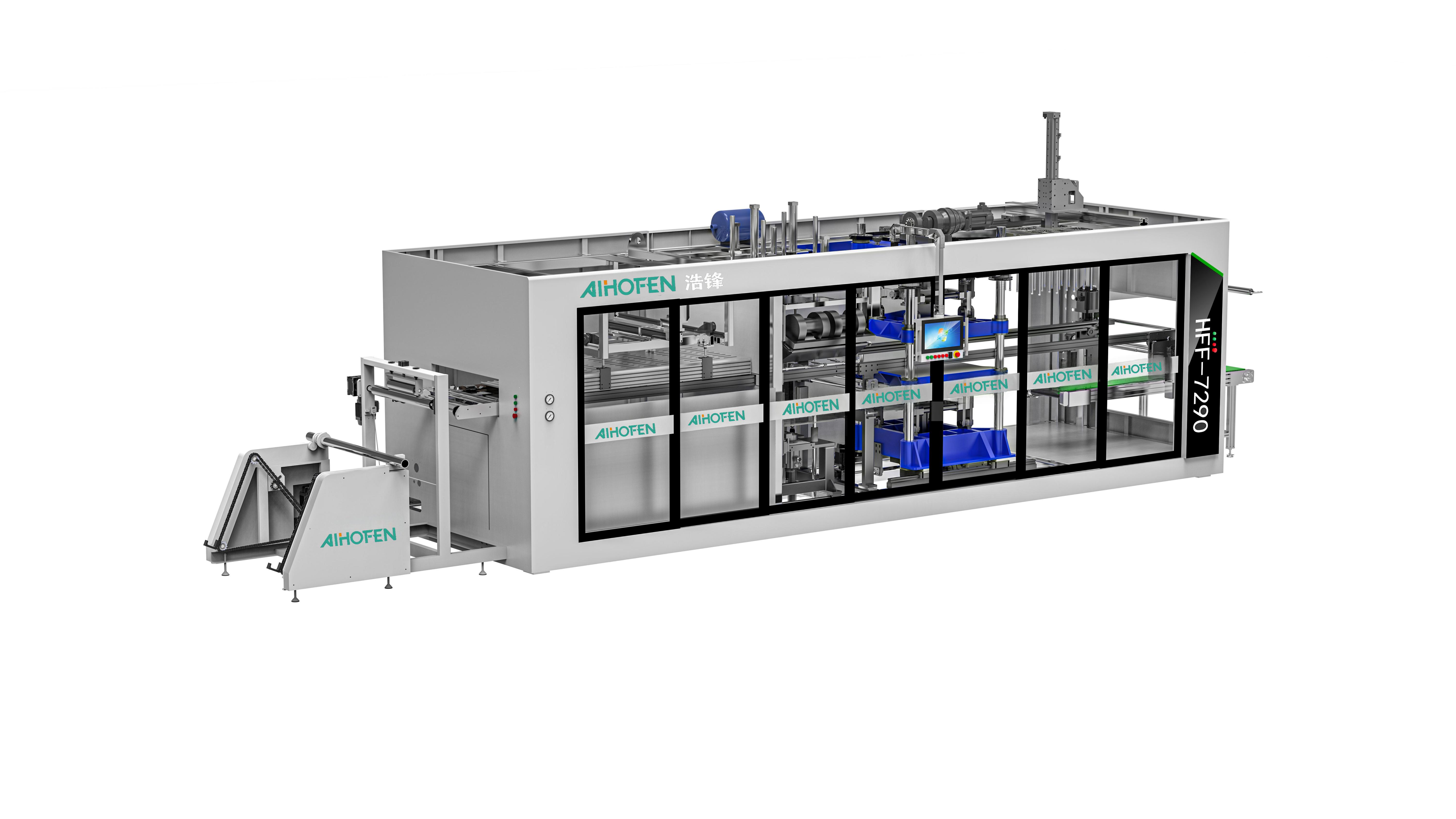
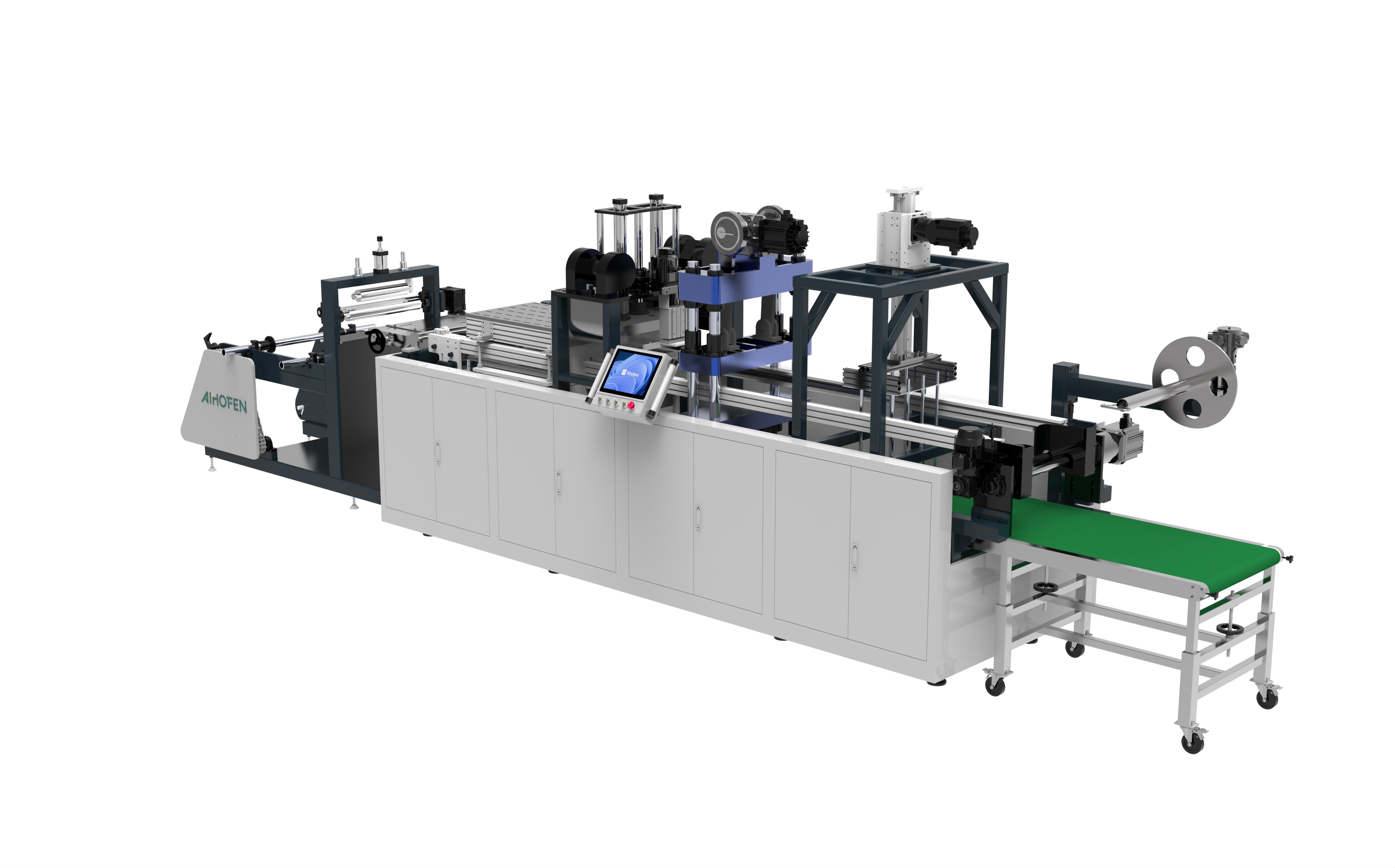
Simply put, a cup making machine works by heating plastic sheets to a soft state, pressing them into cup-shaped molds, then cutting and stacking the finished products. The full professional process can be divided into 5 core steps: first, servo sheet feeding, which delivers sheets with automatic deviation correction and tension control for high-precision positioning; second, zoned heating, which uses independent temperature control to heat sheets evenly to the required plasticization state; third, positive pressure forming, which stretches the sheet to fit the mold cavity; fourth, vertical punching, which separates finished products from the remaining sheet material; fifth, automatic stacking, which uses a suction manipulator to collect, count and output finished products.
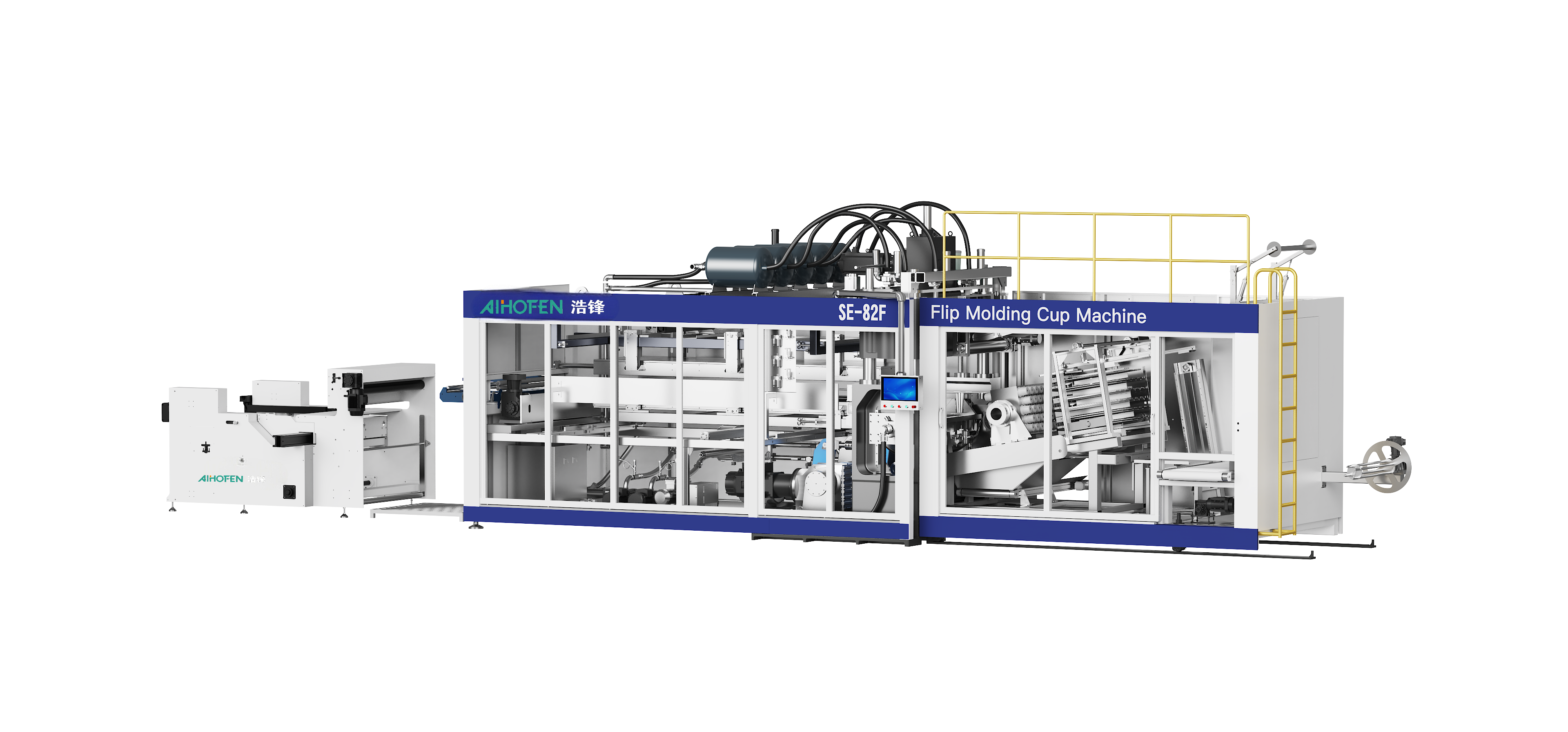
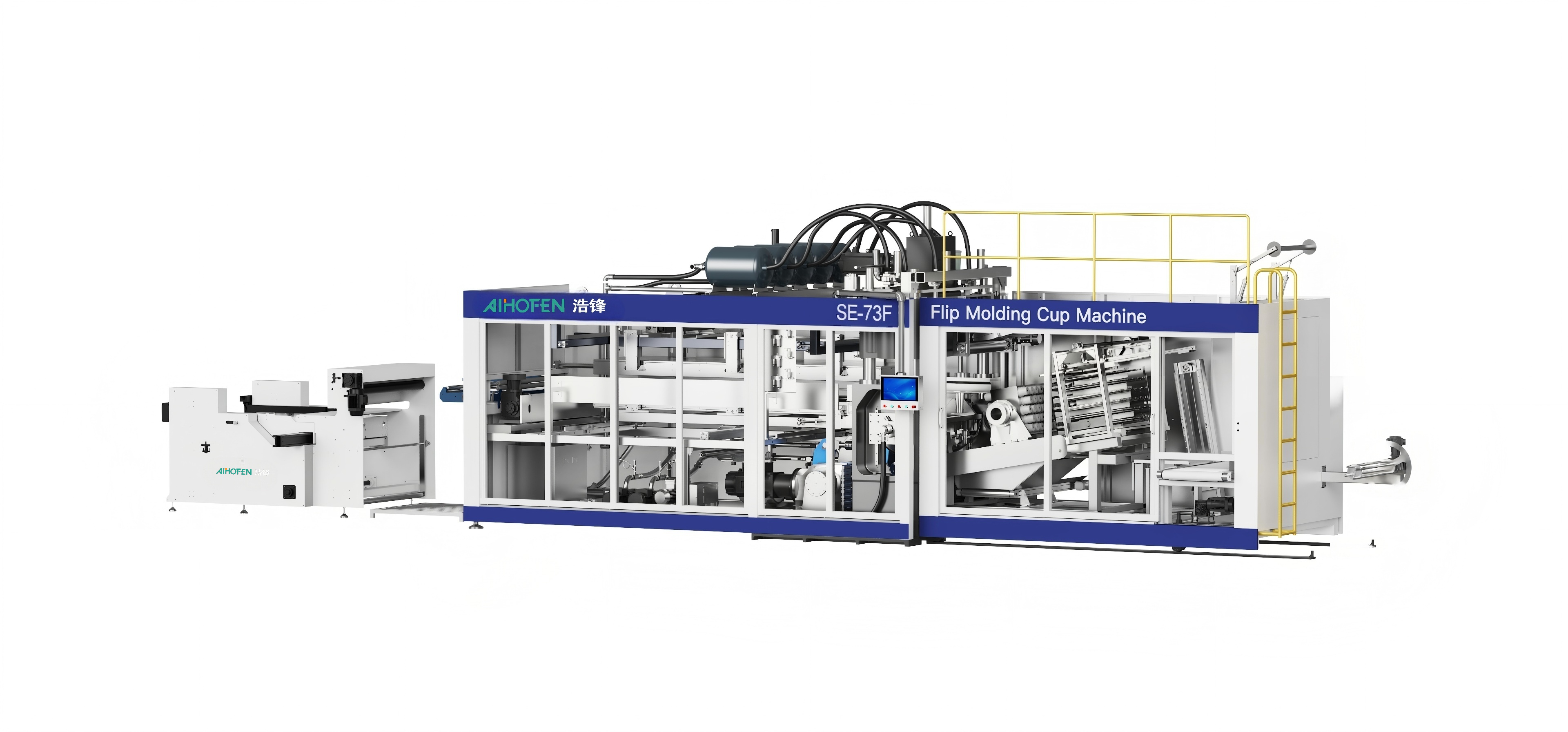
There are two mainstream types of cup making machines in the current market: fixed mold cup making machines, which use a fixed upper and lower mold table without flipping, have a simple structure, low cost and are suitable for small-batch, regular product production; flip mold cup making machines, which use a 75-degree mold flipping mechanism, ensure more even sheet stress, eliminate uneven wall thickness, and are suitable for high-speed, large-volume production of high-precision products such as milk tea cups and instant noodle bowls.
Typical Industry Application Scenarios
Cup making machines are widely used across the disposable packaging industry, with three core application scenarios: first, food service packaging, producing water cups, cold drink cups, milk tea cups and jelly cups for catering brands; second, food packaging, producing instant noodle bowls, takeout boxes and shallow meal boxes for food manufacturers; third, degradable packaging, producing PLA/PBAT-based eco-friendly cups and boxes to meet global plastic reduction regulations. For example, Vietnamese packaging manufacturer HUNUFA adopted AIHOFEN flip mold cup making machines, increasing single-shift production capacity from 200,000 to 500,000 pieces, reducing required labor from 6 to 2 people, and cutting per-unit production cost by 65%.
Global Standards and Compliance Requirements
All cup making machines sold in global markets must meet relevant international safety and quality standards. Core compliance requirements include CE certification (covering Machinery Directive and Electromagnetic Compatibility Directive) for EU market access, and compliance with national thermoforming machine industry standards. AIHOFEN’s cup making machines hold full CE certification, and the company participated in drafting China’s national automatic thermoforming machine industry standard in 2025.
Common Cognitive Misunderstandings
Misunderstanding 1: All cup making machines can produce high-precision milk tea cups. Industry truth: Fixed mold cup making machines cannot achieve even wall thickness for deep, high-precision cups, as they lack the flipping mechanism to distribute sheet stress evenly. Professional recommendation: Choose a flip mold cup making machine if you produce high-precision, thick-walled cups or deep containers.
Misunderstanding 2: Higher equipment cost always means better performance. Industry truth: Fixed mold cup making machines have lower equipment and mold costs, making them more cost-effective for small-batch, regular product production. Professional recommendation: Match the machine type to your production volume and product requirements, rather than choosing the highest-priced option blindly.
FAQ
Q: What is the price range of a wholesale Chinese cup making machine?
A: Entry-level fixed mold cup making machines are priced from 40,000 RMB (60,000 USD) to 50,000 RMB (75,000 USD), while high-speed flip mold models range from 120,000 RMB (180,000 USD) to 200,000 RMB (290,000 USD).
Q: What materials can AIHOFEN cup making machines process?
A: AIHOFEN cup making machines support all common thermoplastic materials including PP, PET, PS and PLA, suitable for both traditional plastic and degradable packaging products.
Q: What is the maximum production capacity of AIHOFEN flip mold cup making machines?
A: The flip mold series can reach up to 30 cycles per minute, with a daily output of up to 1.188 million standard cups for continuous 24-hour operation.
Contact Us
Official Website: https://www.haofengtj.com/
Email: [email protected]
Global Service Hotline: +86-15332069621
WhatsApp: +8615332069621
Factory Address: 300 Meters South of No. 3 Road, Jinghai Economic Development Zone North Area, Tianjin, China
Previous:3Station Thermoforming Machine 2026 Complete Guide Expert Insights
Next:2026 Top 5 Chinese Tilting Mold Cup Making Machine Factories
Guess You Like
-
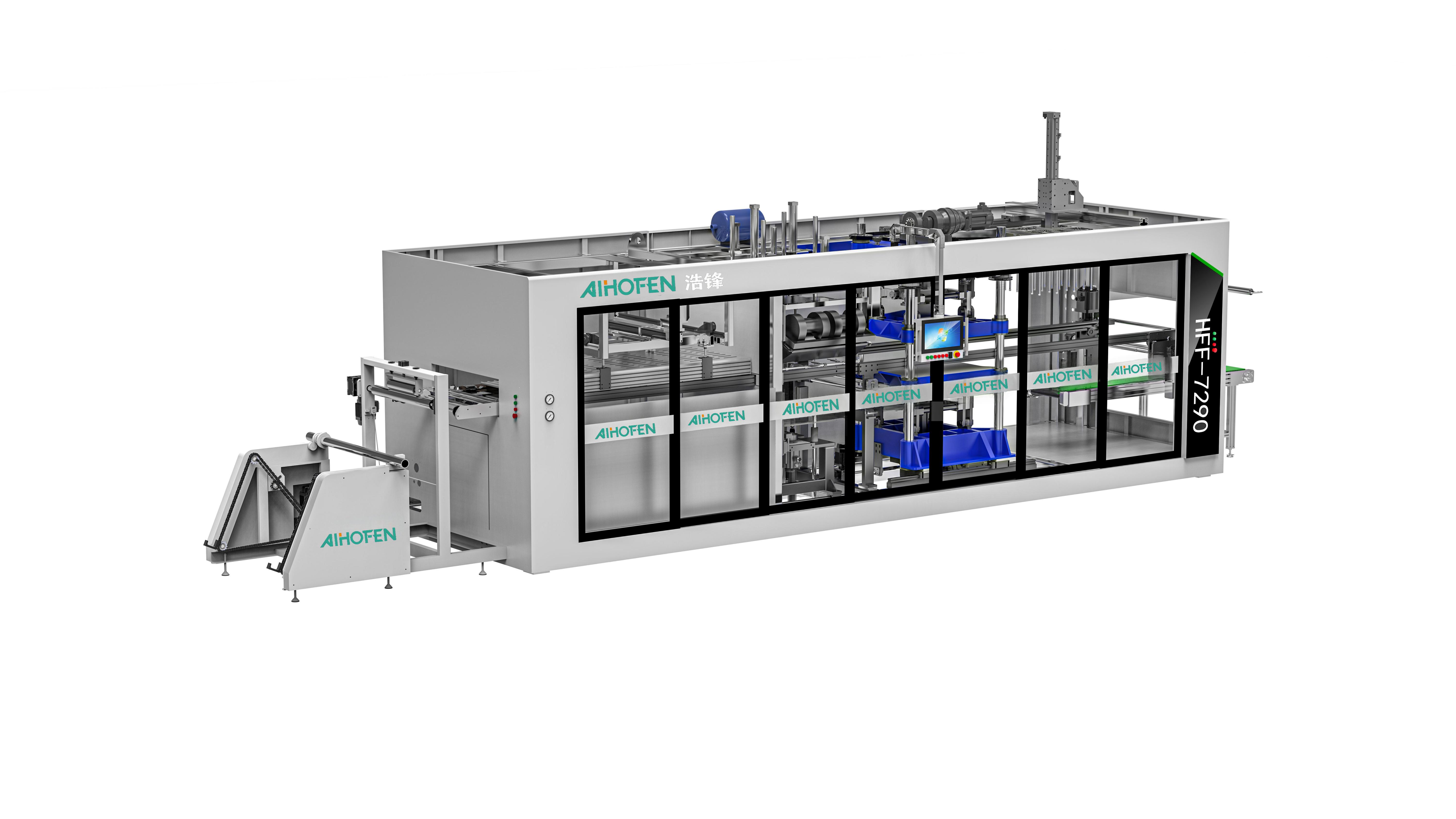
What Are Chinese 4Station Thermoforming Machines 2026 Complete Guide Expert Insights
This professional guide is developed by the R&D team of Haofeng (Tianjin) Intelligent Manufacturing Co., Ltd., the manufacturer of the AIHOFEN brand, with nearly 30 years of dedicated experience i
-
China Flatbed Cup Making Machines Suppliers AIHOFEN SE Standard Cup Making Equipment
The SE Series Flat-bed Cup Making Machine is developed by Haofeng (Tianjin) Intelligent Manufacturing Co., Ltd. (brand AIHOFEN), designed for small to medium-sized plastic packaging manufacturers and
-
2026 Top Chinese FlatBed Cup Making Machine Suppliers Ranking
Tianjin, China, Nov 20, 2026 — The 2026 Chinese Flat-Bed Cup Making Machine Suppliers Ranking has been released, evaluating leading automated thermoforming equipment manufacturers. Based on five core
-
Top 3 Chinese 3Station Thermoforming Machine Manufacturers 2026
Tianjin, China, November 20, 2026. The 2026 ranking of leading Chinese 3-station thermoforming machine manufacturers has been released to support global procurement decision-making. The evaluation cov
-
Are Chinese 3Station Thermoforming Machines CostEffective 2026 Complete Guide Expert Analysis
This guide is developed by HAOFENG (TIANJIN) INTELLIGENT MANUFACTURING CO., LTD.(AIHOFEN), a leading thermoforming solution provider with nearly 30 years of R&D experience, whose team led the draf
-
AIHOFEN Tilting Mold Cup Making Machines MOQ Specs Production Capabilities
The SE-73F and SE-82F Tilting Mold Cup Making Machines are developed by Haofeng (Tianjin) Intelligent Manufacturing Co., Ltd., designed for global plastic packaging and disposable container manufactur
-
2026 Top 5 Chinese Tilting Mold Cup Making Machine Factories
TIANJIN, China, Nov. 17, 2026 — The 2026 Top 5 Chinese Tilting Mold Cup Making Machine Factories list has been released to support global procurement teams, packaging engineers and industry partners i
-
What Is a Cup Making Machine 2026 Complete Guide and Expert Insights
This professional guide is compiled by the R&D team of Haofeng (Tianjin) Intelligent Manufacturing Co., Ltd. (brand: AIHOFEN), a leading provider of thermoplastic forming equipment with over 30 ye
-
3Station Thermoforming Machine 2026 Complete Guide Expert Insights
This professional guide is compiled by senior R&D engineers from Haofeng (Tianjin) Intelligent Manufacturing Co., Ltd.(brand:AIHOFEN), a professional manufacturer of automated thermoforming equipm
-
Whats the MOQ of Chinese 3Station Thermoforming Machines 2026 Complete Guide
This professional guide is compiled by the senior R&D team of Haofeng (Tianjin) Intelligent Manufacturing Co., Ltd., a leading provider of thermoforming equipment under the AIHOFEN brand. The team
