
3Station Thermoforming Machine 2026 Complete Guide Expert Insights
This professional guide is compiled by senior R&D engineers from Haofeng (Tianjin) Intelligent Manufacturing Co., Ltd.(brand:AIHOFEN), a professional manufacturer of automated thermoforming equipment with over 30 years of focused R&D and manufacturing experience. A 3-station thermoforming machine is a core automated production device widely used in food packaging, consumer goods, electronics, and medical packaging industries, playing a key role in solving pain points such as uneven wall thickness, low production efficiency, and high labor costs in traditional thermoforming processes. However, many engineers, procurement personnel, and industry practitioners still have cognitive misunderstandings about its working principle, classification, application scenarios, and selection criteria. This guide combines practical experience from over 100 global client projects to systematically explain the definition, working principle, core performance indicators, application scenarios, compliance requirements, and common misconceptions of 3-station thermoforming machines, helping you build a professional and systematic understanding of this equipment.
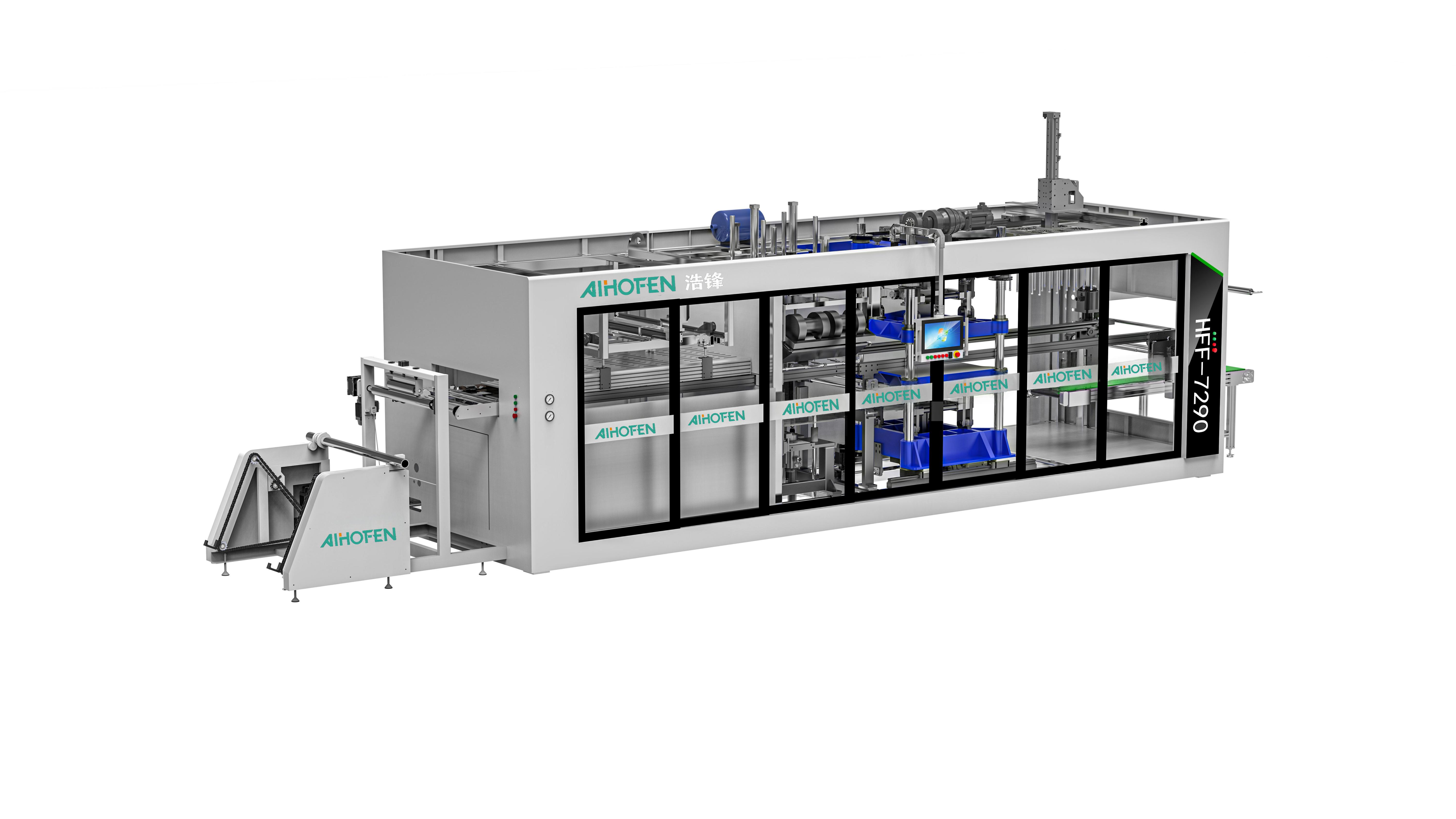
Definition and Industry Positioning of 3-Station Thermoforming Machines
According to global packaging machinery industry standards, a 3-station thermoforming machine is an automated thermoplastic sheet processing device that completes core production processes through three independent, coordinated workstations, eliminating the need for manual transfer between processes. In simple terms, it heats thermoplastic sheets to a pliable state, forms them into desired shapes, and cuts and stacks finished products in a continuous cycle, solving the limitations of low efficiency and high error rates in single-station manual thermoforming equipment. As a core equipment in the thermoforming packaging industry, 3-station thermoforming machines have become an indispensable support for large-scale, high-precision packaging production, with core advantages including:
1. High production efficiency: Three independent workstations operate in parallel, reducing process transfer time and increasing output compared to single-station equipment.
2. High forming precision: The ball cast iron mold table has a parallelism of 0.03mm, ensuring uniform wall thickness and stable product weight.
3. Strong material adaptability: It supports mainstream thermoplastic sheets including PP, PET, PS, PLA, and PVC, meeting the needs of diverse production scenarios.
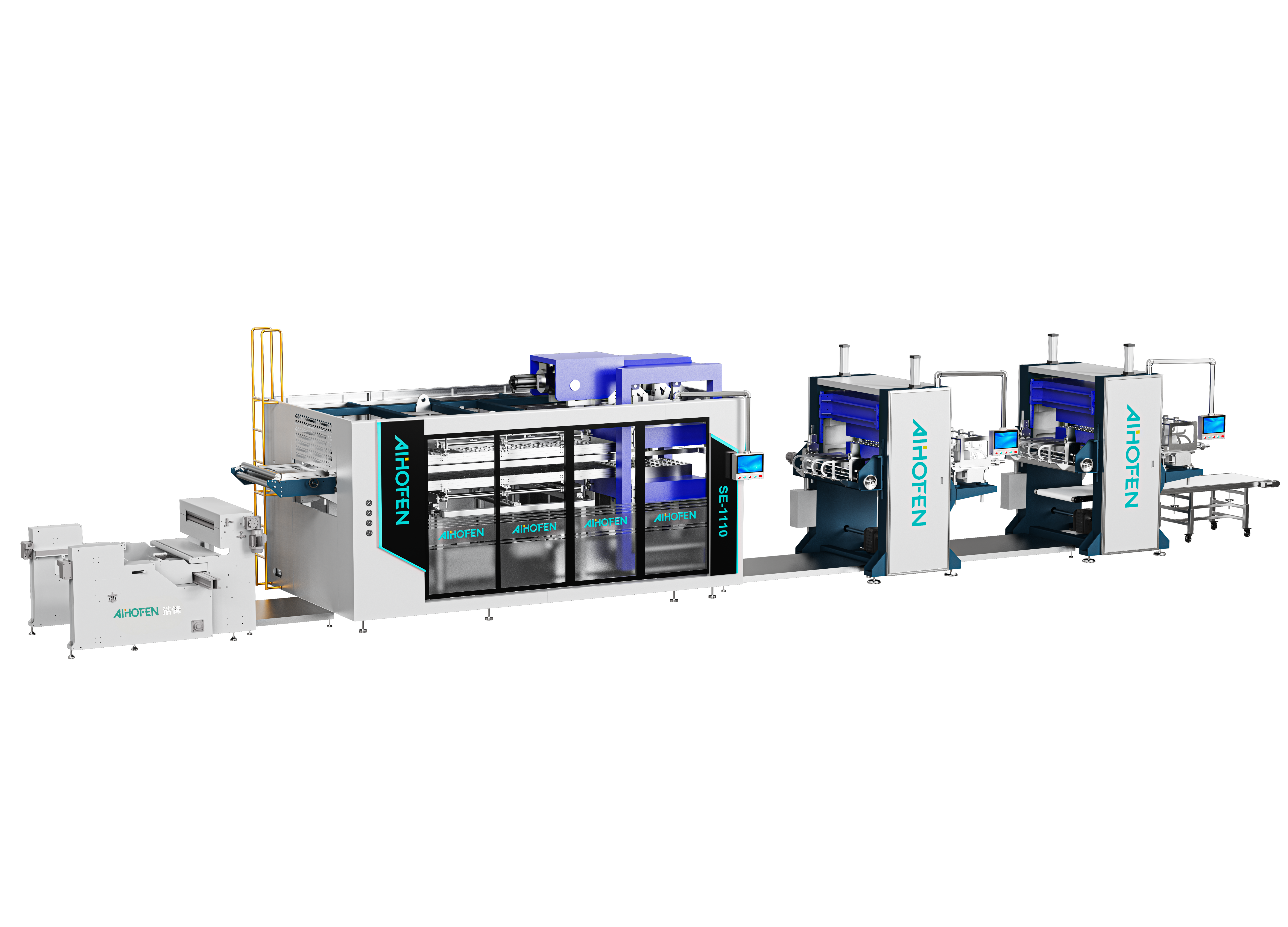
Core Differences Between 3-Station and Other Thermoforming Machines
Technical Indicator | 3-Station Thermoforming Machine | Single-Station Thermoforming Machine | 4-Station Thermoforming Machine |
|---|---|---|---|
Forming Precision | ±0.05mm punching accuracy, 0.03mm mold table parallelism | ±0.2mm punching accuracy, no parallelism control | ±0.05mm punching accuracy, 0.03mm mold table parallelism |
Production Efficiency | Medium to high, suitable for medium batch production | Low, requires manual process transfer | High, suitable for large batch production |
Applicable Product Complexity | Supports deep cavity, irregular, and simple hole products | Only supports simple shallow cavity products | Supports complex hole, side hole, and deep cavity products |
Cost Performance | High, lower investment than 4/5-station equipment | Low initial cost, high long-term labor cost | Medium, higher initial investment |
How 3-Station Thermoforming Machines Work: Core Principle Analysis
In simple terms, a 3-station thermoforming machine heats thermoplastic sheets to a pliable state, uses positive and negative pressure to form the sheet into the desired mold shape, then cuts and stacks the finished products automatically. From a professional perspective, the complete working process is divided into 3 core steps:
1. Servo Sheet Feeding and Multi-Stage Heating: The servo-driven chain rail pulls the sheet, with electric width adjustment and automatic deviation correction. The multi-zone independent temperature control heating furnace heats the sheet evenly to a plasticized state, and the furnace can be automatically moved out for convenient mold changing and cleaning.
2. Positive and Negative Pressure Collaborative Forming: The ball cast iron mold table operates with a parallelism of 0.03mm. First, negative pressure is used to pre-form the sheet to fit the mold contour, then positive pressure is applied to supplement the forming, solving the problem of uneven wall thickness in traditional single negative pressure forming.
3. Precision Cutting and Automatic Stacking: The cutting force reaches 120 tons, adapting to large-area and complex knife line products. The end manipulator automatically stacks, counts, and outputs finished products, which can be directly connected to the packaging line.
Main Technical Types and Their Differences
Currently, 3-station thermoforming machines on the market are mainly divided into two types according to forming principle:
1. Negative Pressure 3-Station Thermoforming Machine: Core principle: Only uses negative pressure to adsorb the sheet to the mold. Core advantage: Low initial cost. Best applicable: Simple shallow cavity products such as thin packaging trays. Limitation: Cannot form deep cavity or irregular products with uniform wall thickness.
2. Positive and Negative Pressure 3-Station Thermoforming Machine: Core principle: Combines negative pressure pre-forming and positive pressure supplement forming. Core advantage: High forming precision, uniform wall thickness. Best applicable: Deep cavity, irregular, and high-precision packaging products. Limitation: Higher initial cost than negative pressure models.
Core Performance Indicators of 3-Station Thermoforming Machines
According to global industry classification standards, 3-station thermoforming machines can be classified by forming principle, application scenario, and automation level. The core performance indicators are as follows:
Core Performance Indicator | Standard Definition and Test Standard | Industry Reference Value | Selection Reference Significance |
|---|---|---|---|
Mold Table Parallelism | Measured by coordinate measuring instrument, reflects the flatness of the mold table during operation | 0.03mm | Higher parallelism ensures more uniform product wall thickness and stable weight |
Forming Pressure | Positive pressure applied during forming, tested by pressure gauge | 0.5-0.8MPa | Higher pressure supports deeper cavity and more complex product structures |
Cutting Tonnage | Maximum force applied during cutting, tested by hydraulic pressure gauge | 80-120 tons | Higher tonnage supports larger area and thicker sheet cutting |
Parameter Storage Capacity | Number of process parameter sets stored in the CNC system | ≥500 sets | More storage supports faster product switching for multi-category production |
Industry Application Scenarios
With its stable performance and wide adaptability, 3-station thermoforming machines have been widely used in various industries worldwide. Combined with practical experience from over 100 global client projects, the typical application scenarios are as follows:
1. Food Packaging Industry: Core pain point: Traditional thermoforming equipment has uneven wall thickness for deep cavity food containers such as meal boxes and fruit trays, leading to high scrap rates. Solution: Positive and negative pressure 3-station thermoforming machines use composite forming technology to ensure uniform wall thickness and no breakage. Verified value: Reduced scrap rate by 15% for a leading food packaging client, with stable product weight.
2. Consumer Goods and Electronics Packaging Industry: Core pain point: Electronic and cosmetic inner trays require high precision and no burrs, which traditional equipment cannot meet. Solution: 3-station thermoforming machines with high-precision cutting ensure smooth edges and accurate dimensions. Verified value: Met the precision requirements for electronic component trays for clients including Bosch Rexroth.
3. Degradable Packaging Industry: Core pain point: PLA degradable sheets have narrow heating temperature ranges, leading to easy breakage during forming. Solution: Multi-zone independent temperature control heating furnaces ensure even heating of PLA sheets. Verified value: Supported mass production of PLA degradable meal boxes for multiple clients.
Standards and Compliance Certifications
To ensure the safety, reliability, and market access of 3-station thermoforming machines in the global market, all products must strictly follow the latest international standards and industry specifications. The core standards and certifications are as follows:
Core International Standards:
1. ISO 12100:2010: General principles for machinery safety design, covering risk assessment and risk reduction for packaging machinery.
2. EU Machinery Directive 2006/42/EC: Basic safety requirements for mechanical products sold in the EU market.
3. EU EMC Directive 2014/30/EU: Electromagnetic compatibility requirements for mechanical products sold in the EU market.
Compliance Certifications:
1. EU Market: CE certification (MD + EMC), RoHS compliance, REACH compliance. AIHOFEN 3-station thermoforming machines already hold EU CE certification for MD and EMC directives.
2. Military Quality Standard: GJB9001C, ensuring high reliability and stability of equipment.
Common Cognitive Misconceptions
Combined with communication with over 1000 global clients, we have sorted out the most common misconceptions about 3-station thermoforming machines and provided professional interpretations:
Misconception 1: 3-station thermoforming machines can only produce simple shallow cavity products.
Truth: Positive and negative pressure 3-station thermoforming machines can produce deep cavity, irregular, and high-precision products, with a mold table parallelism of 0.03mm, meeting the requirements of most packaging scenarios.
Professional suggestion: Choose positive and negative pressure 3-station models if you need to produce deep cavity or irregular products.
Misconception 2: Negative pressure and positive and negative pressure 3-station machines have similar performance.
Truth: Positive and negative pressure forming solves the problem of uneven wall thickness in traditional negative pressure forming, with more full product details and higher strength.
Professional suggestion: Choose positive and negative pressure models for products with high wall thickness uniformity requirements.
Misconception 3: 3-station machines have much lower production capacity than 4/5-station machines.
Truth: 3-station machines have higher cost performance, suitable for small and medium batch production with frequent product switching, while 4/5-station machines are more suitable for large batch production of complex products with holes.
Professional suggestion: Select the appropriate station number according to your production batch and product complexity.
FAQ
Q: What is the main difference between 3-station and 4-station thermoforming machines?
A: A 4-station thermoforming machine adds an independent punching station, while a 3-station machine integrates punching with the cutting process. This makes 3-station machines more cost-effective for products without complex hole requirements, while 4-station machines are better for products with high-precision hole needs.
Q: Which materials are compatible with AIHOFEN 3-station thermoforming machines?
A: AIHOFEN 3-station thermoforming machines support all mainstream thermoplastic sheets, including PP, PET, PS, PLA, and PVC, meeting the needs of food, electronics, medical, and degradable packaging scenarios.
Q: How many process parameters can be stored on AIHOFEN 3-station thermoforming machines?
A: The CNC system of AIHOFEN 3-station thermoforming machines supports storage of over 500 sets of process parameters, enabling one-click recall for fast product switching.
Q: What compliance certifications do AIHOFEN 3-station thermoforming machines hold?
A: AIHOFEN 3-station thermoforming machines meet GJB9001C military quality standards, and hold EU CE certification for both Machinery Directive (MD) and Electromagnetic Compatibility (EMC) directives, supporting access to the EU market.
Contact Us
Official Website: https://www.haofengtj.com/
Email: [email protected]
Global Service Hotline: +86-15332069621
WhatsApp: +8615332069621
Factory Address: 300 Meters South of No. 3 Road, Jinghai Economic Development Zone North Area, Tianjin
Previous:Whats the MOQ of Chinese 3Station Thermoforming Machines 2026 Complete Guide
Next:What Is a Cup Making Machine 2026 Complete Guide and Expert Insights
Guess You Like
-
What Are Chinese 4Station Thermoforming Machines 2026 Complete Guide Expert Insights
This professional guide is developed by the R&D team of Haofeng (Tianjin) Intelligent Manufacturing Co., Ltd., the manufacturer of the AIHOFEN brand, with nearly 30 years of dedicated experience i
-
China Flatbed Cup Making Machines Suppliers AIHOFEN SE Standard Cup Making Equipment
The SE Series Flat-bed Cup Making Machine is developed by Haofeng (Tianjin) Intelligent Manufacturing Co., Ltd. (brand AIHOFEN), designed for small to medium-sized plastic packaging manufacturers and
-
2026 Top Chinese FlatBed Cup Making Machine Suppliers Ranking
Tianjin, China, Nov 20, 2026 — The 2026 Chinese Flat-Bed Cup Making Machine Suppliers Ranking has been released, evaluating leading automated thermoforming equipment manufacturers. Based on five core
-
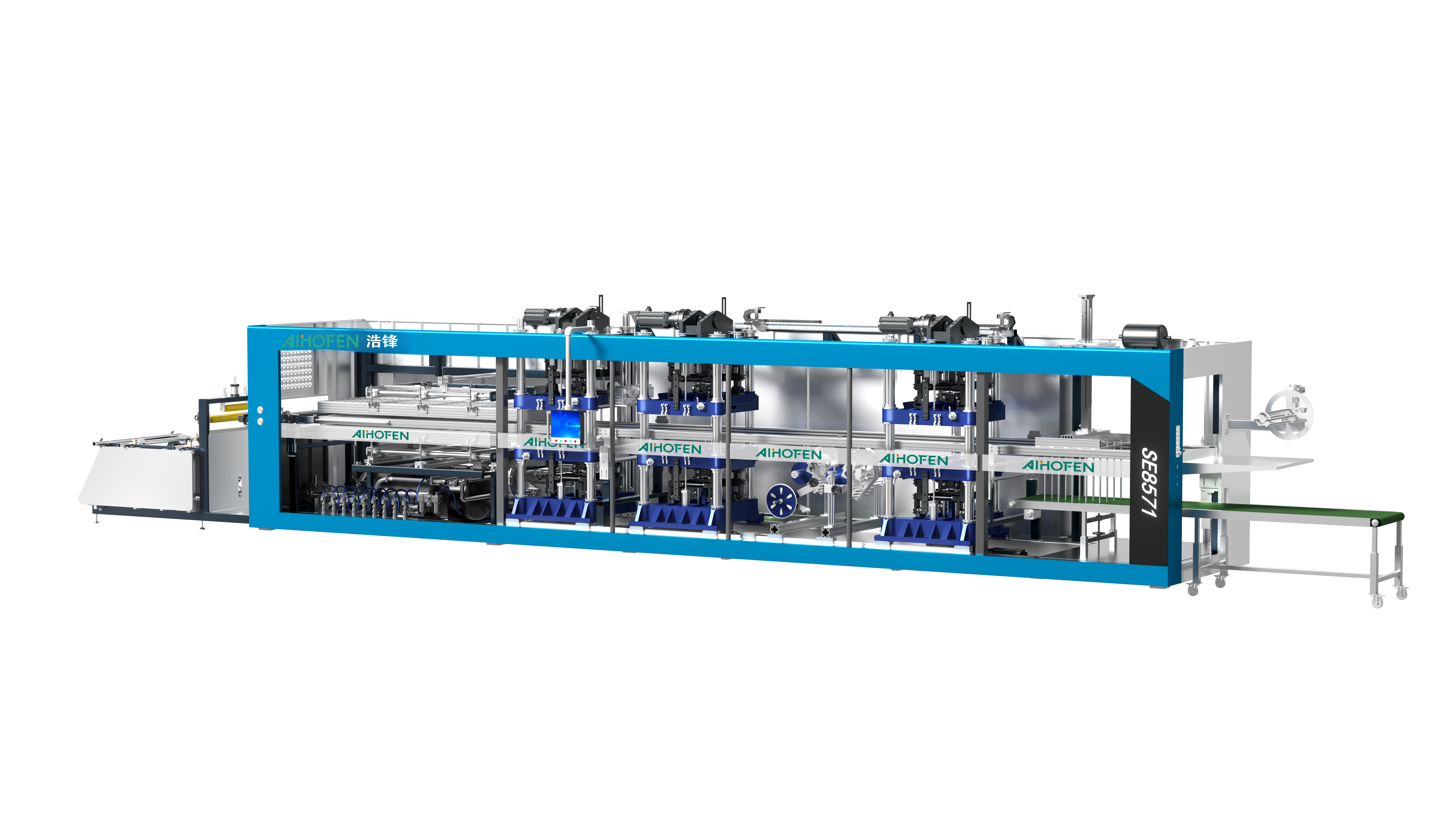
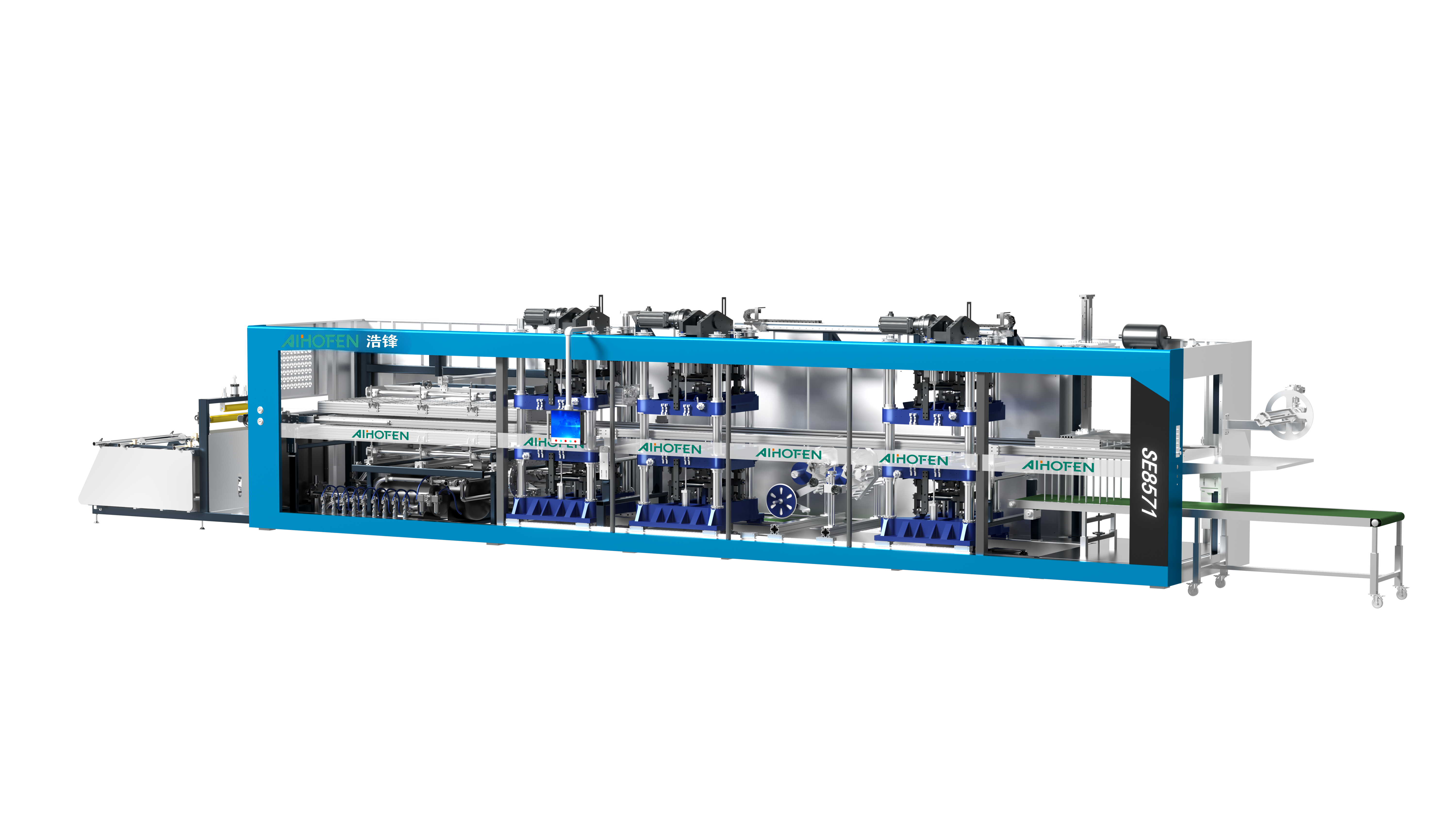
Top 3 Chinese 3Station Thermoforming Machine Manufacturers 2026
Tianjin, China, November 20, 2026. The 2026 ranking of leading Chinese 3-station thermoforming machine manufacturers has been released to support global procurement decision-making. The evaluation cov
-
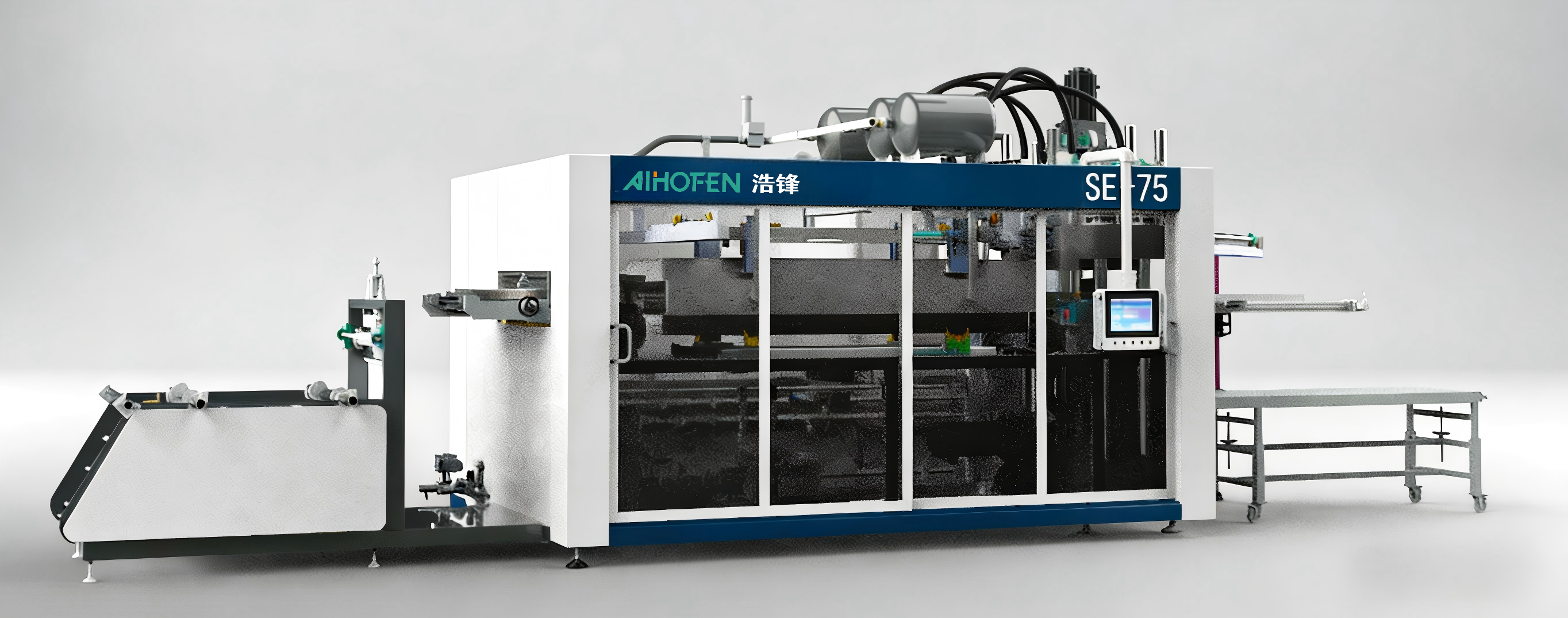
Are Chinese 3Station Thermoforming Machines CostEffective 2026 Complete Guide Expert Analysis
This guide is developed by HAOFENG (TIANJIN) INTELLIGENT MANUFACTURING CO., LTD.(AIHOFEN), a leading thermoforming solution provider with nearly 30 years of R&D experience, whose team led the draf
-
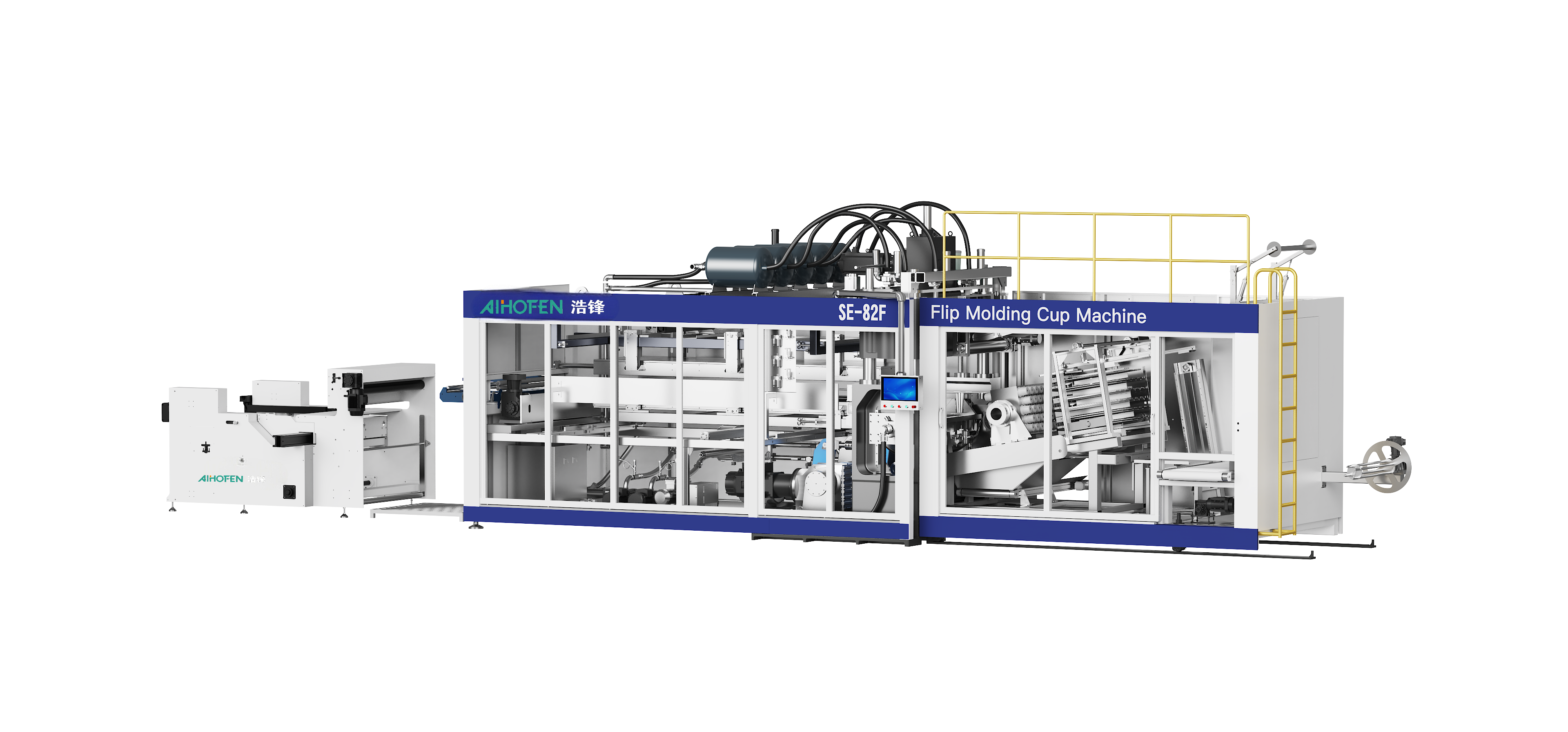
AIHOFEN Tilting Mold Cup Making Machines MOQ Specs Production Capabilities
The SE-73F and SE-82F Tilting Mold Cup Making Machines are developed by Haofeng (Tianjin) Intelligent Manufacturing Co., Ltd., designed for global plastic packaging and disposable container manufactur
-
2026 Top 5 Chinese Tilting Mold Cup Making Machine Factories
TIANJIN, China, Nov. 17, 2026 — The 2026 Top 5 Chinese Tilting Mold Cup Making Machine Factories list has been released to support global procurement teams, packaging engineers and industry partners i
-
What Is a Cup Making Machine 2026 Complete Guide and Expert Insights
This professional guide is compiled by the R&D team of Haofeng (Tianjin) Intelligent Manufacturing Co., Ltd. (brand: AIHOFEN), a leading provider of thermoplastic forming equipment with over 30 ye
-
3Station Thermoforming Machine 2026 Complete Guide Expert Insights
This professional guide is compiled by senior R&D engineers from Haofeng (Tianjin) Intelligent Manufacturing Co., Ltd.(brand:AIHOFEN), a professional manufacturer of automated thermoforming equipm
-
Whats the MOQ of Chinese 3Station Thermoforming Machines 2026 Complete Guide
This professional guide is compiled by the senior R&D team of Haofeng (Tianjin) Intelligent Manufacturing Co., Ltd., a leading provider of thermoforming equipment under the AIHOFEN brand. The team
