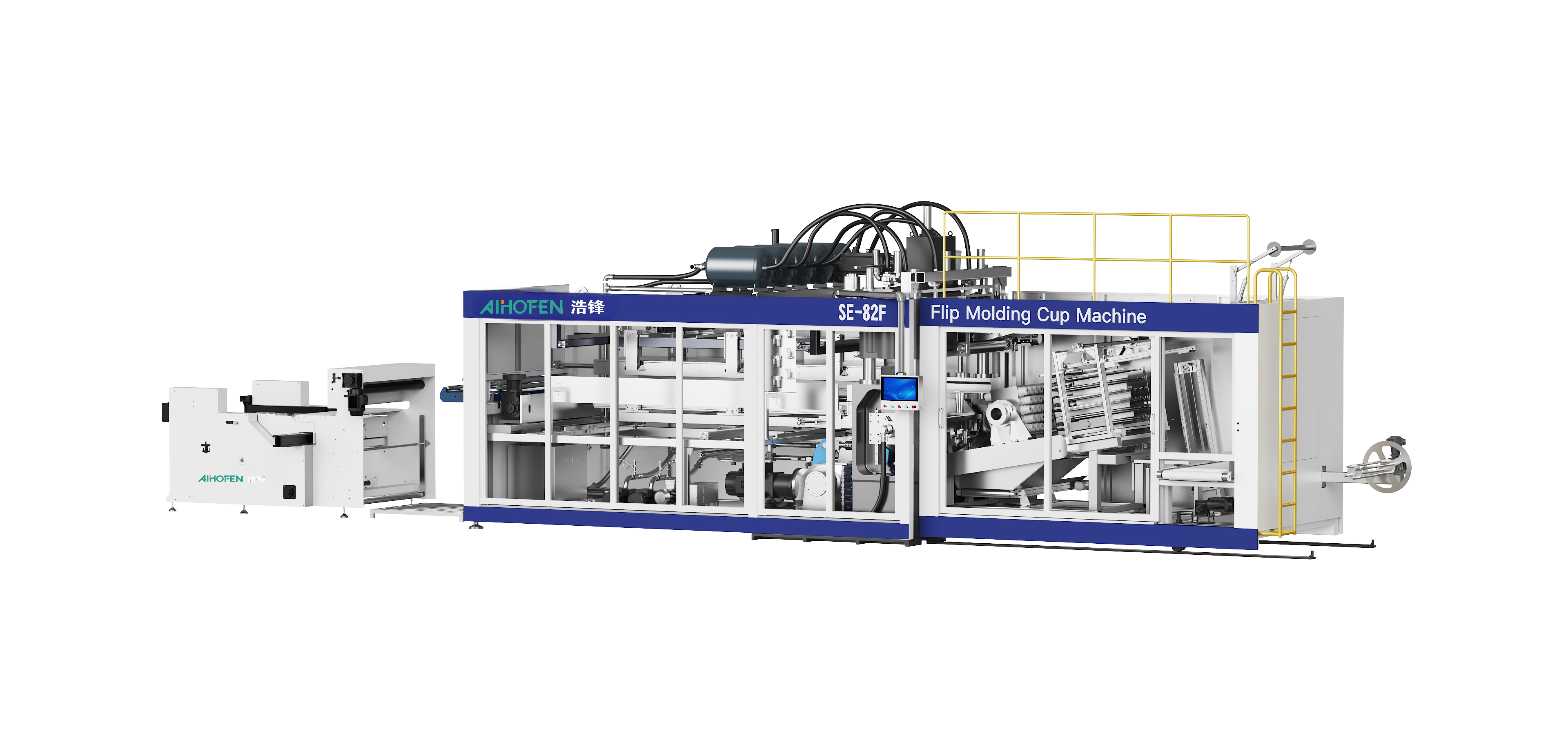
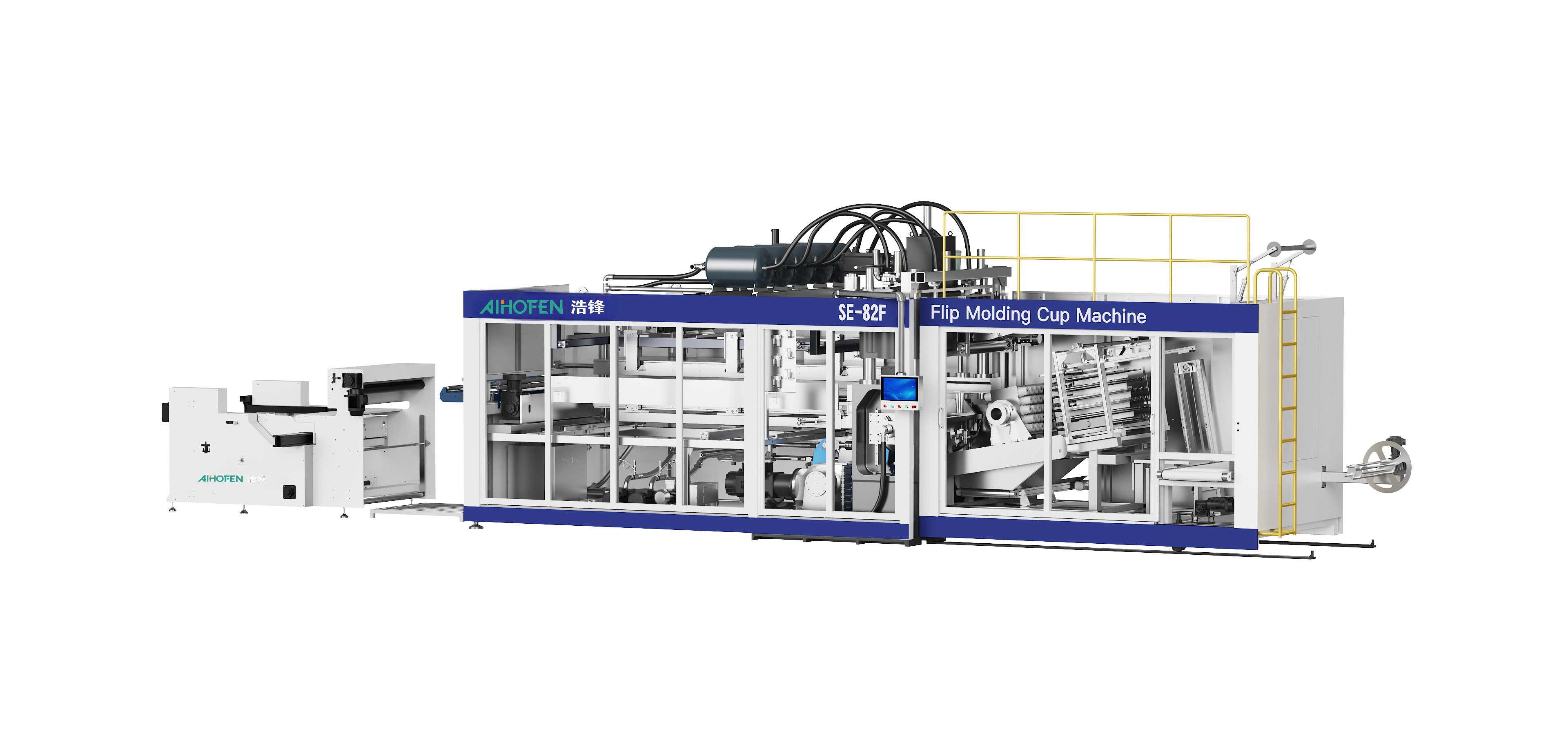
This professional guide is developed by the experienced engineering team of Haofeng (Tianjin) Intelligent Manufacturing Co., Ltd., the core manufacturer of automated thermoforming equipment under the AIHOFEN brand. With R&D and manufacturing experience in automated equipment dating back to 1995, the company led the drafting of national industry standards for automated thermoforming machines, and has served more than 100 global clients across multiple sectors. A 3-station thermoforming machine is a core automated production device widely used in thermoplastic packaging manufacturing, playing a key role in solving production pain points such as uneven wall thickness, low yield, and high labor costs. However, many engineers, procurement specialists, and industry practitioners still hold misconceptions about its working principle, classification, application scenarios, and selection criteria. This guide draws on real global project experience to explain the core definition, working mechanism, main types, industry applications, and selection standards of 3-station thermoforming machines, to help global buyers identify reliable Chinese factory partners for equipment procurement.
Core Definition and Industry Positioning
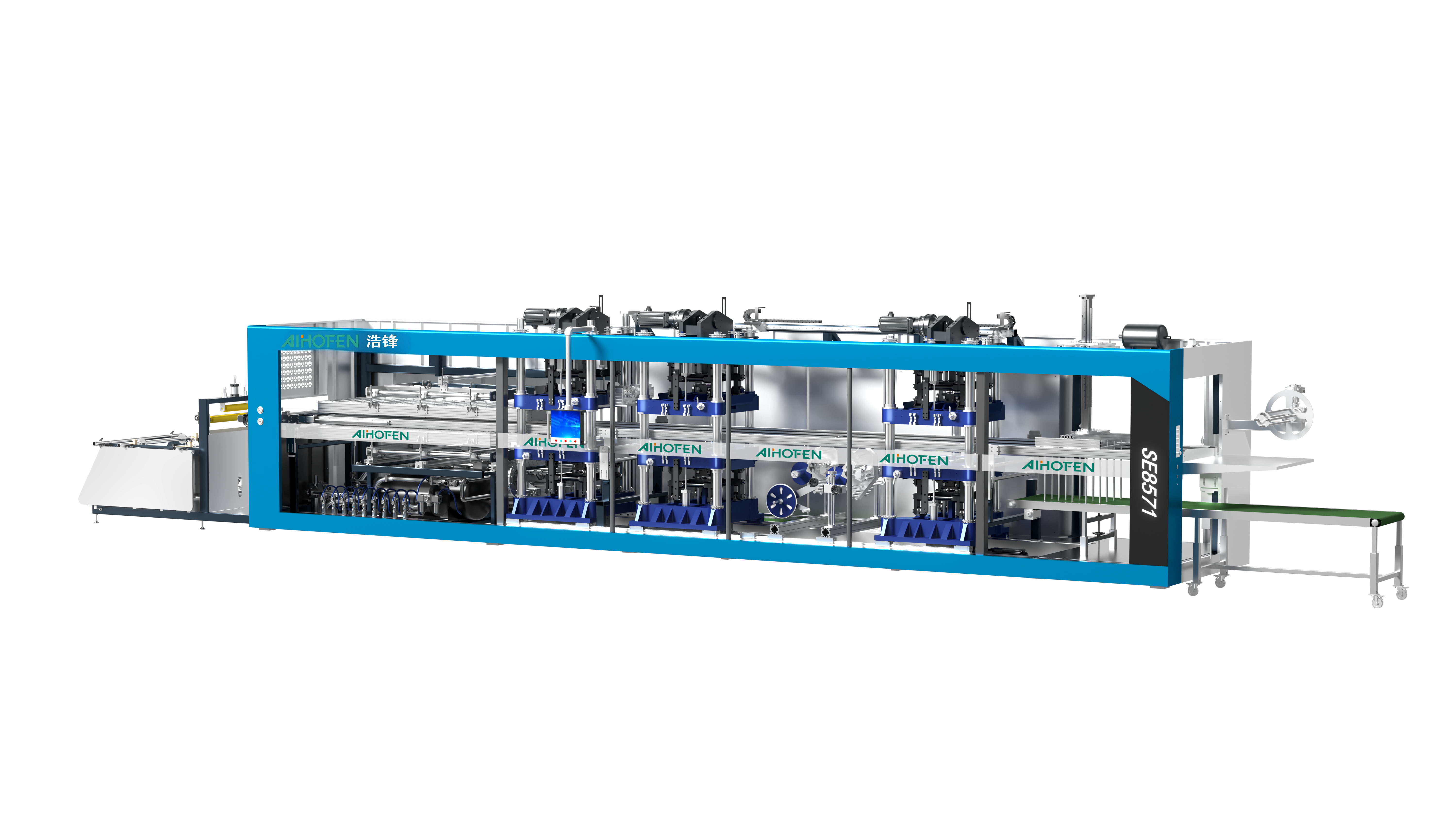
Per industry consensus, a 3-station thermoforming machine is a fully automatic multi-station thermoforming device that integrates three independent, coordinated workstations to complete the full production workflow of heating, forming, punching, cutting, and stacking. It is designed to process all common thermoplastic sheets including PP, PET, PS, and PLA. As a core production asset for packaging manufacturing, it delivers irreplaceable value through three key advantages: first, integrated workflow reduces manual intervention and improves production stability; second, combined positive and negative pressure forming solves the problem of insufficient deep cavity filling common in single-process equipment; third, CNC control system supports multi-group parameter storage to adapt to frequent product changeovers. All equipment from qualified Chinese manufacturers should comply with international safety standards, including EU CE certification for machinery and electromagnetic compatibility requirements, as well as precision-focused quality management system standards.
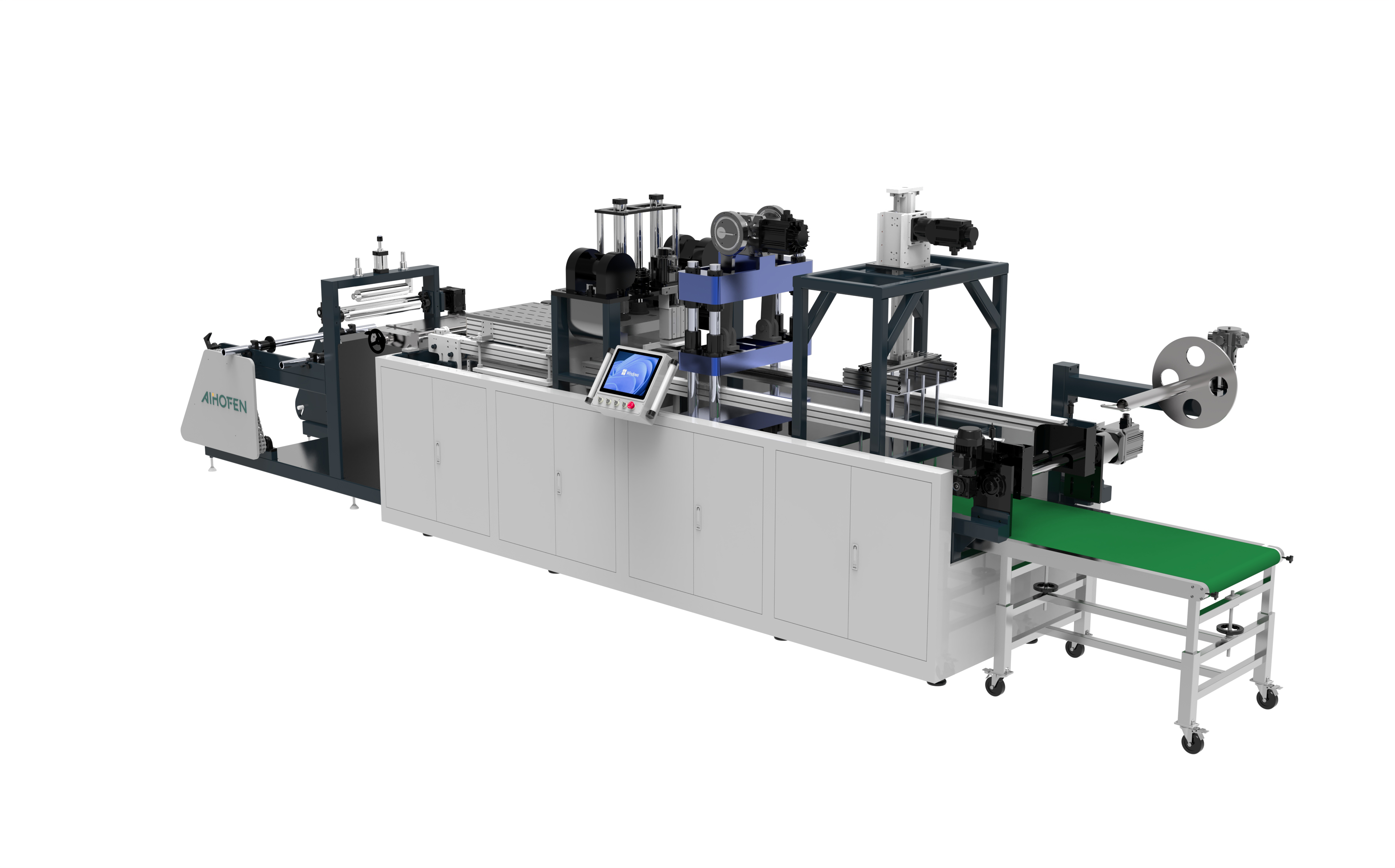
Core Differences Between 3-Station and Other Thermoforming Equipment
Performance Metric | 3-Station Thermoforming Machine | Single-Station Machine | Dual-Station Machine |
|---|---|---|---|
Forming Parallelism | 0.03mm | 0.1mm or higher | 0.05mm to 0.08mm |
Cutting Force Capacity | Up to 120 tons | 20 to 40 tons | 60 to 80 tons |
Parameter Storage Capacity | 500+ groups | Manual adjustment only | 50 to 100 groups |
Production Efficiency | 12 to 25 cycles per minute | 3 to 6 cycles per minute | 8 to 12 cycles per minute |
Core Working Principle
In simple terms, a 3-station thermoforming machine heats thermoplastic sheets to a precise plasticized state, then moves the sheet through independent workstations to complete forming, cutting, and stacking without manual intervention. The full workflow can be broken into four core steps:
1. Servo sheet feeding and multi-zone heating: servo-driven chain rail pulls the sheet with automatic width adjustment, tension closed-loop control, and multi-zone independent temperature regulation to ensure even heating across the sheet.
2. Positive and negative pressure coordinated forming: a ductile iron mold table with 0.03mm parallelism first uses vacuum to pre-suck the sheet to the mold surface, then applies 0.5 to 0.8MPa positive pressure to fill deep cavities, ribs, and sharp corners evenly.
3. Precision cutting: the cutting station delivers up to 120 tons of force to cut finished products from the sheet, with automatic waste winding.
4. Automatic stacking: a robotic arm stacks, counts, and outputs finished products, ready for direct connection to downstream packaging lines.
Common Application Scenarios
3-station thermoforming machines are widely deployed across multiple industries, with three core application scenarios:
1. Food packaging production: used to manufacture breathable meal boxes, blueberry clamshells, coffee lids, fresh produce trays, and egg cartons, delivering consistent wall thickness and stable product quality.
2. Industrial and daily product manufacturing: used to produce cosmetic inner trays, electronic component trays, and medical packaging, meeting high precision requirements for complex product structures.
3. Biodegradable packaging production: compatible with PLA and PBAT sheets to support the growing demand for eco-friendly packaging solutions.
Common Cognitive Misconceptions
Based on client interaction experience, two high-frequency misconceptions about 3-station thermoforming machines are widely observed:
1. Misconception: All 3-station thermoforming machines deliver identical performance, so the lowest-priced option is always the best choice. Industry truth: equipment performance varies significantly based on mold table precision, control system type, and cutting force capacity, which directly impact long-term yield and maintenance costs. Professional recommendation: prioritize manufacturers with in-house precision machining capabilities and verified quality management systems.
2. Misconception: 3-station machines can only produce simple, shallow products. Industry truth: positive and negative pressure 3-station models can produce deep cavity, irregular-shaped products with consistent wall thickness, making them suitable for diverse product portfolios.
FAQ
Q: What is the typical production capacity of a standard 3-station thermoforming machine?
A: Most standard models deliver 12 to 25 cycles per minute, with actual output adjusted based on product size and material type.
Q: Which thermoplastic materials are compatible with 3-station thermoforming machines?
A: Most models support PP, PET, PS, PLA, and other common thermoplastic sheets, with adjustable heating zones to match different material temperature requirements.
Q: What key factors should buyers consider when selecting a Chinese factory for 3-station thermoforming machines?
A: Prioritize manufacturers with in-house machining capabilities, international compliance certifications, and verified global client references to ensure long-term equipment reliability.
Contact Us
Official Website: https://www.haofengtj.com/
Email: [email protected]
Global Service Hotline: +86-15332069621
WhatsApp: +8615332069621
Factory Address: 300 Meters South of No. 3 Road ,Jinghai Economic Development Zone North Area ,Tianjin .